More of Life Brought to Life is a brand marketing campaign for The New York Times that translates the structure of journalism into narrative form. Each film begins with a single article topic and expands, linking together multiple stories to show how understanding one subject can open pathways to others, mirroring how readers interact with Times reporting.
The campaign was developed over an intensive three-month production period, bringing together a wide range of formats, art styles, and editorial approaches. Working in close collaboration across disciplines, the team produced three films: Sneakers, Gravity, and Time, through a process that balanced experimentation with logistical demands.
Droga5Creative Agency RoleProduction & Post-Production Coordinator FeaturedThe New York Times, It’s Nice That, Little Black Book, AdAge, Shots, The Drum, Creative Review, Creative Boom Awards


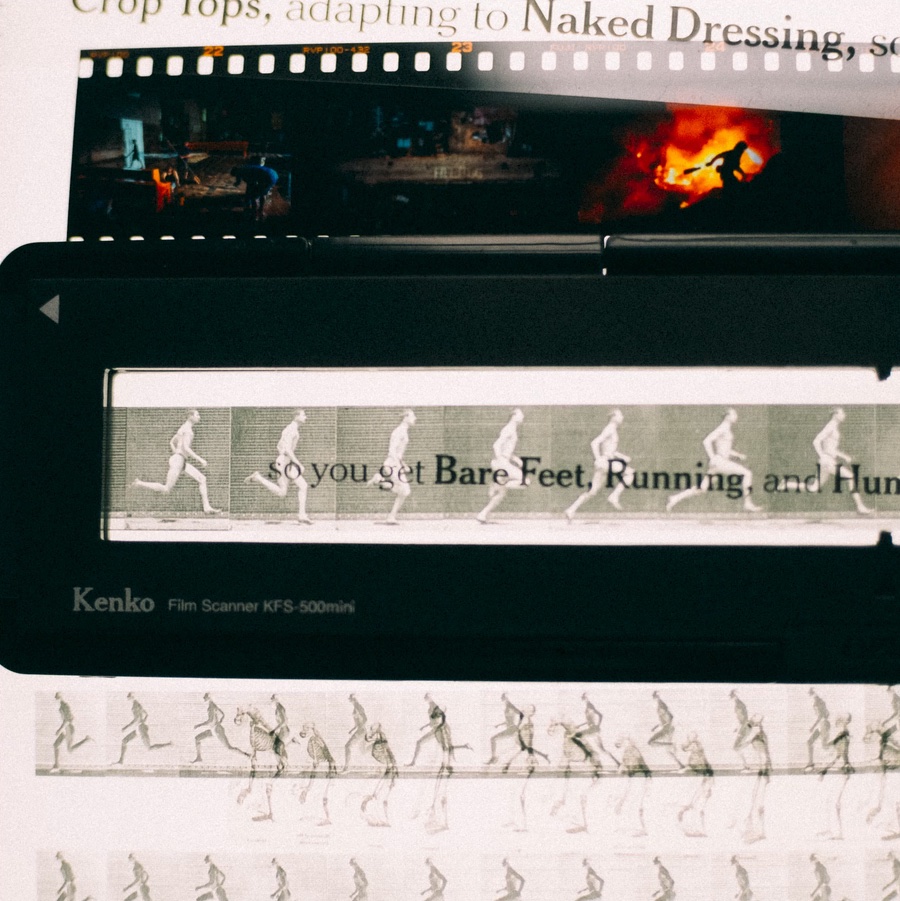
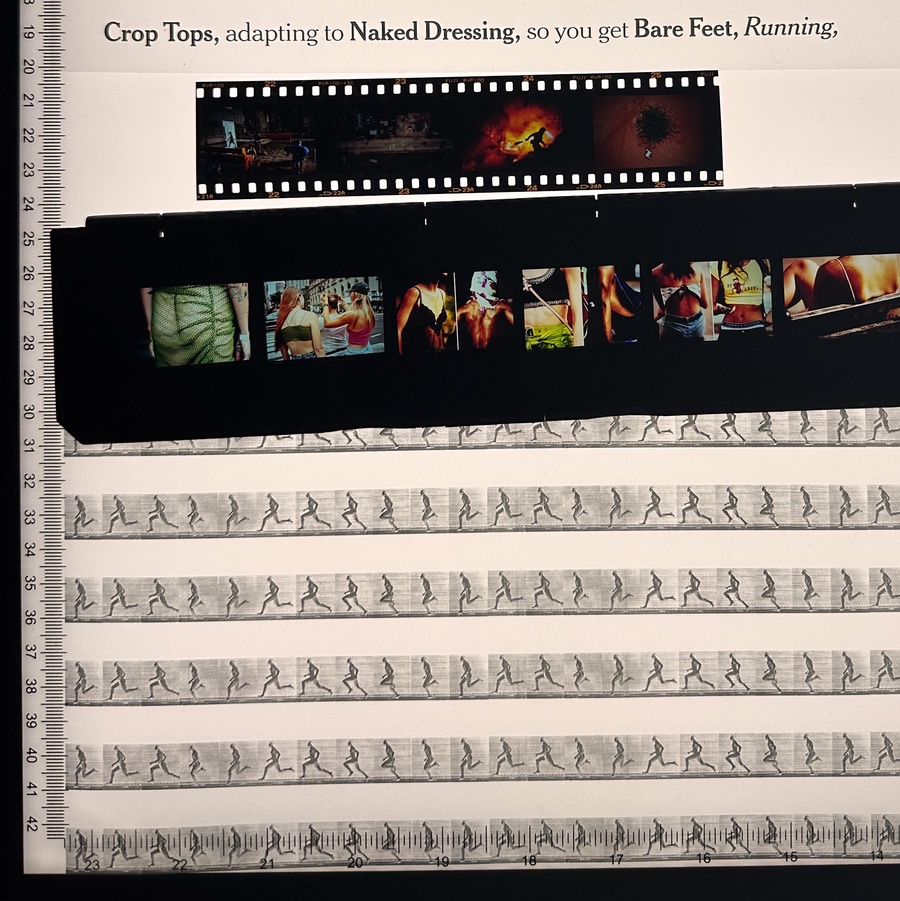
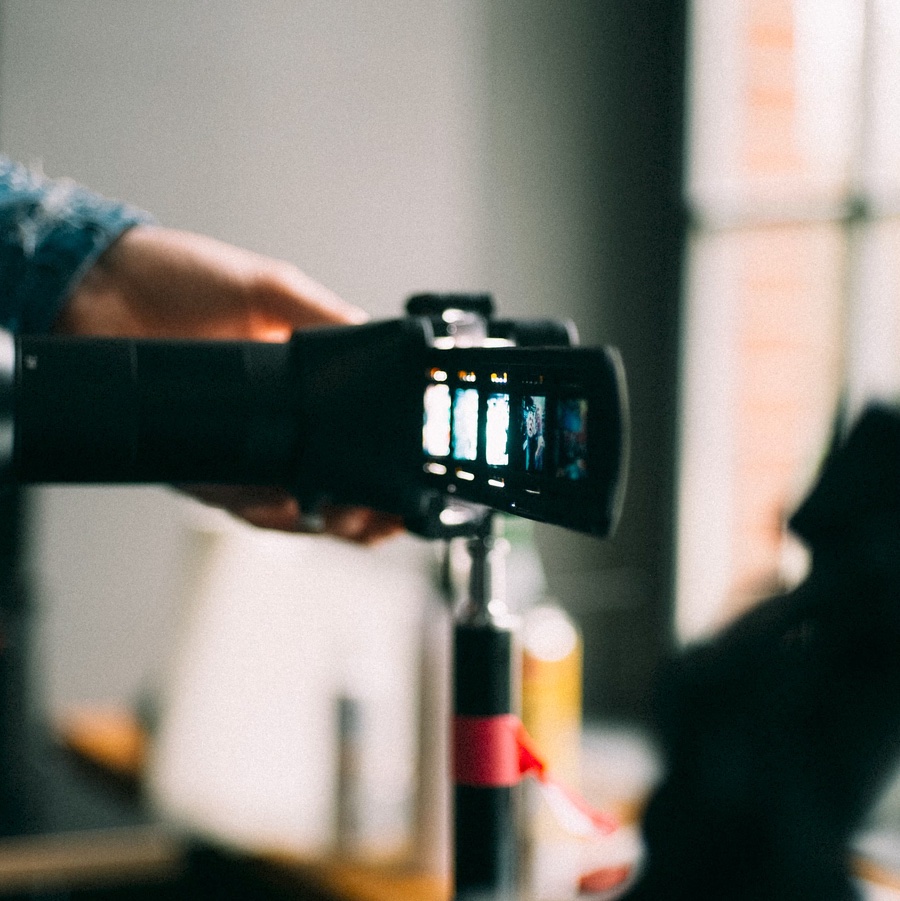
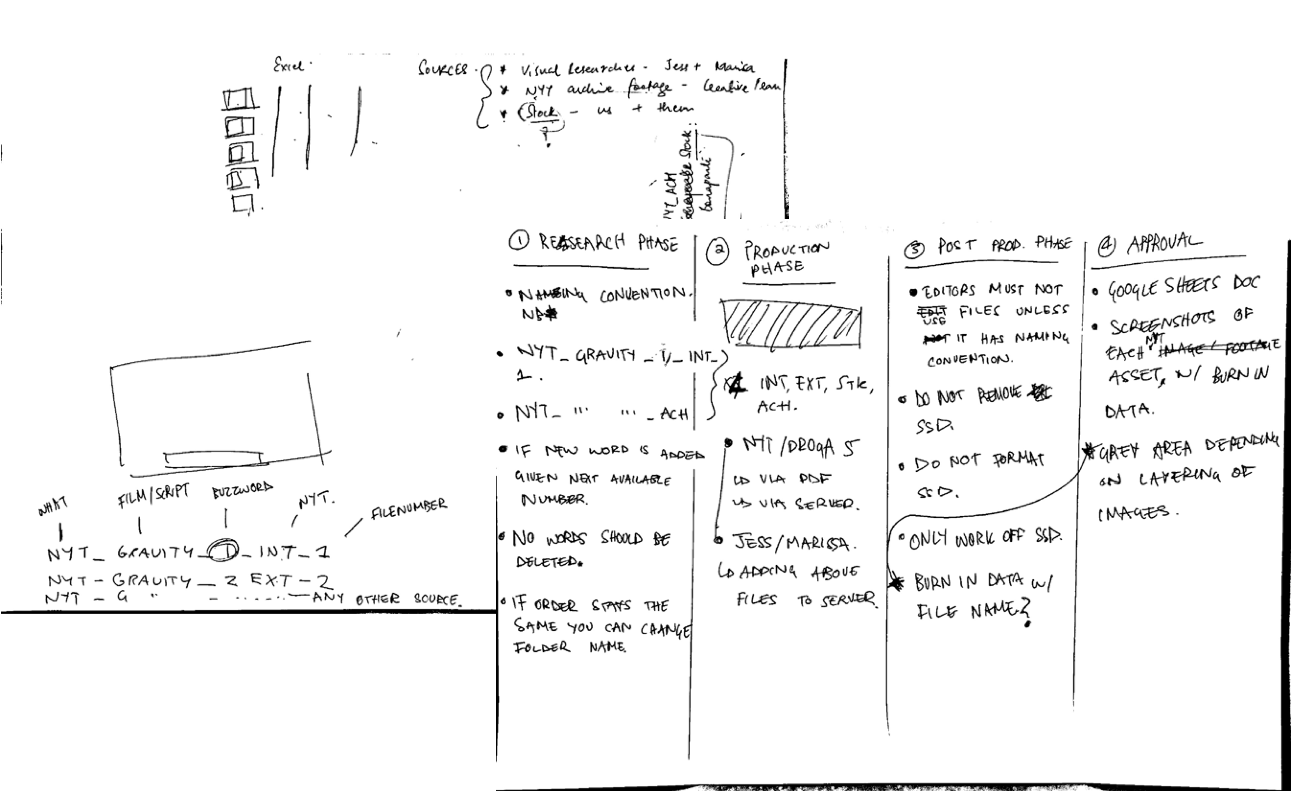
The production of More of Life Brought to Life required combining creative decision-making with technical problem-solving in real time. As the films evolved, creative ambition consistently pushed against logistical and technical limits, requiring solutions that could support experimentation. This meant developing technical workflows while production was already underway, rather than relying on preexisting systems or infrastructure.
Working across New York, Berlin, and Tokyo, I helped establish a production schedule that allowed creative feedback and revisions to move continuously. At the same time, I coordinated the motion design team and worked closely with the agency to keep visual direction aligned as assets and narrative paths shifted.
When new materials needed to be created, I organized and executed additional shoots and helped realize mixed-media techniques, such as printing imagery onto plastic sheets to create the microfiche-like texture shown above. Throughout the process, creative outcomes depended on technical ability, with both evolving together as the project took shape. These moments required both technical problem-solving and creative judgment in order to keep the work moving forward.
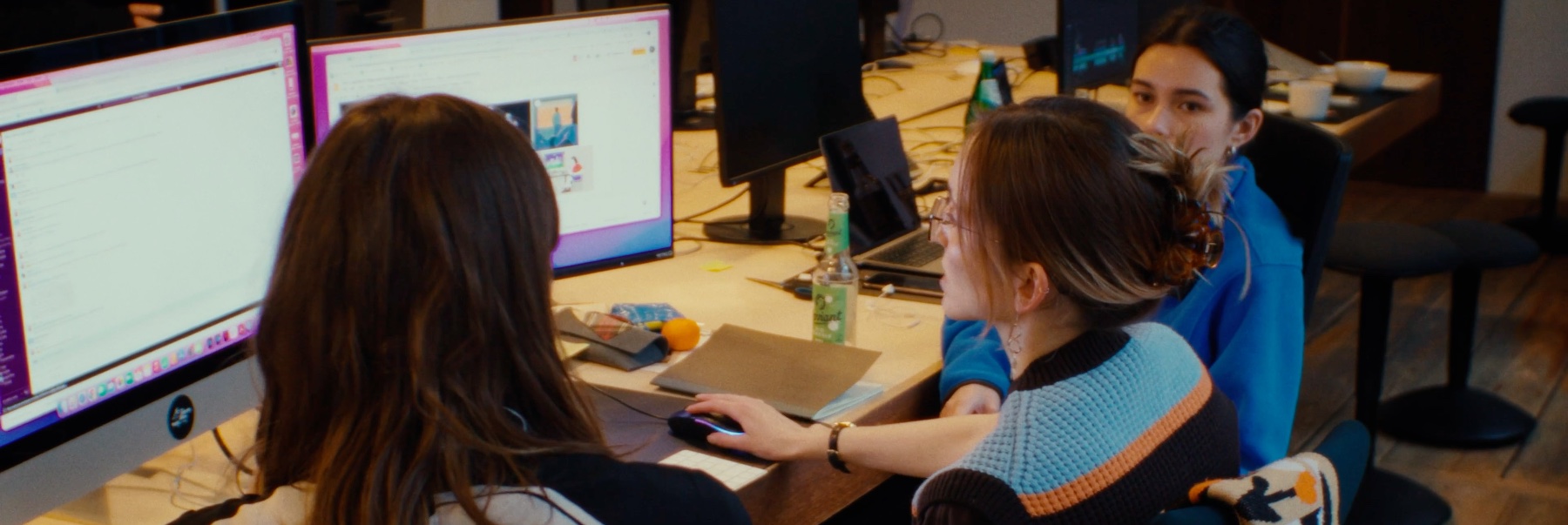
To support production at this scale, I designed and implemented technical systems that did not previously exist within the post-production department. Over the course of the project, the team worked with more than 53,000 still images, requiring structured ingestion, organization, and tracking to ensure assets could be reliably accessed and cleared for use. I created a shared server structure, file-naming conventions, and workflows that allowed more than 15 collaborators to work simultaneously while clearly signaling new or updated assets to editors. These systems enabled remote editing and review across continents, allowing agency partners in New York and our director in Tokyo to engage with editors live despite latency and distance. As a team, we began with an unstable technical environment and turned it into a dependable system for creative production.
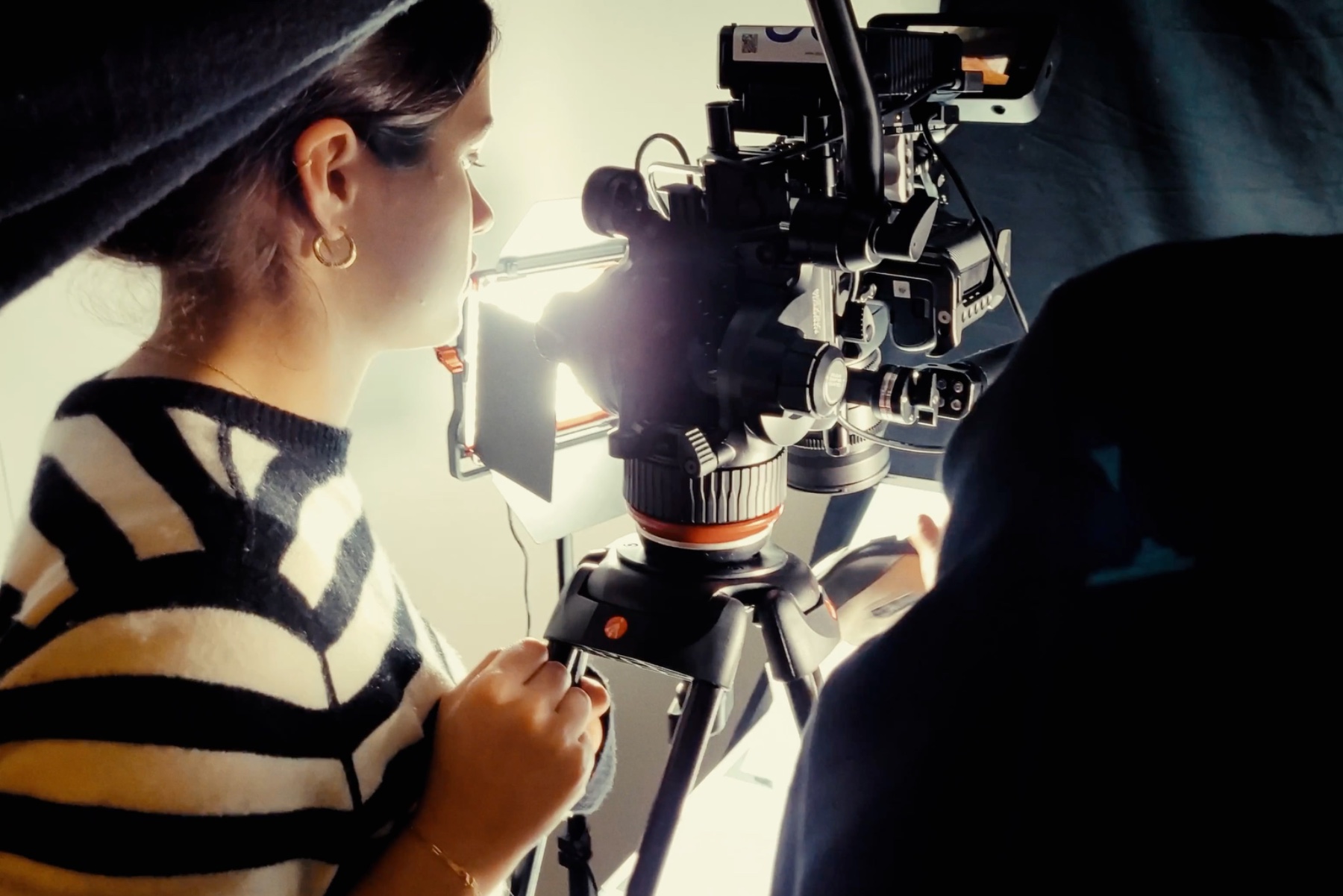
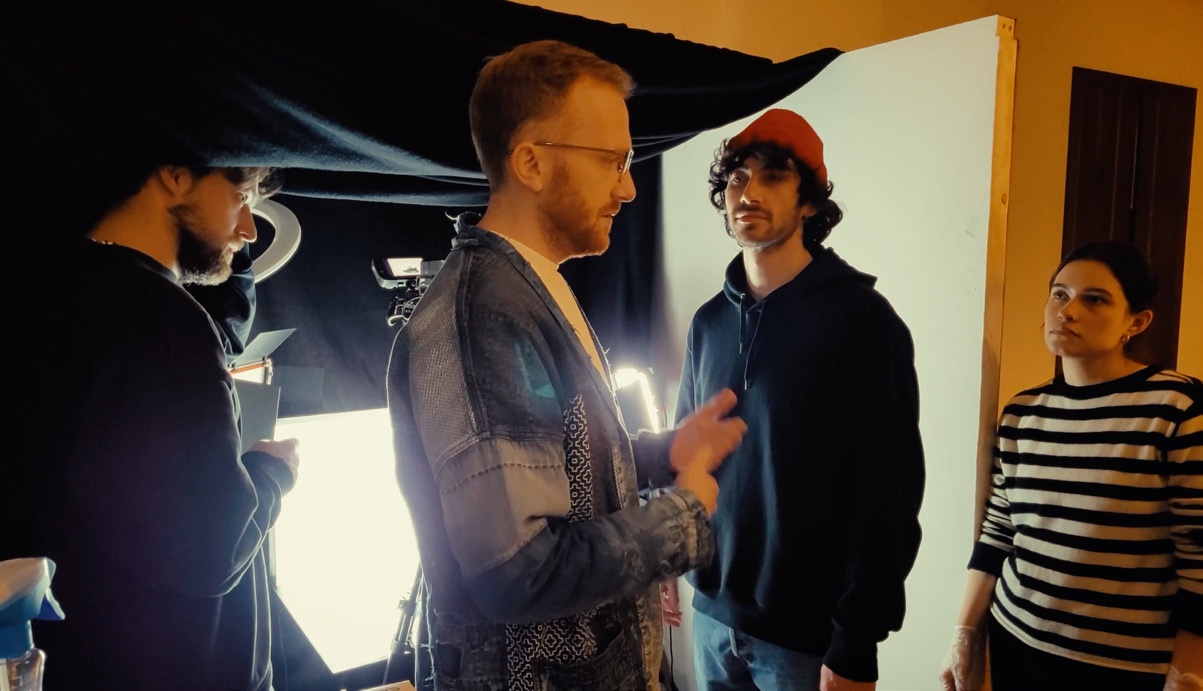
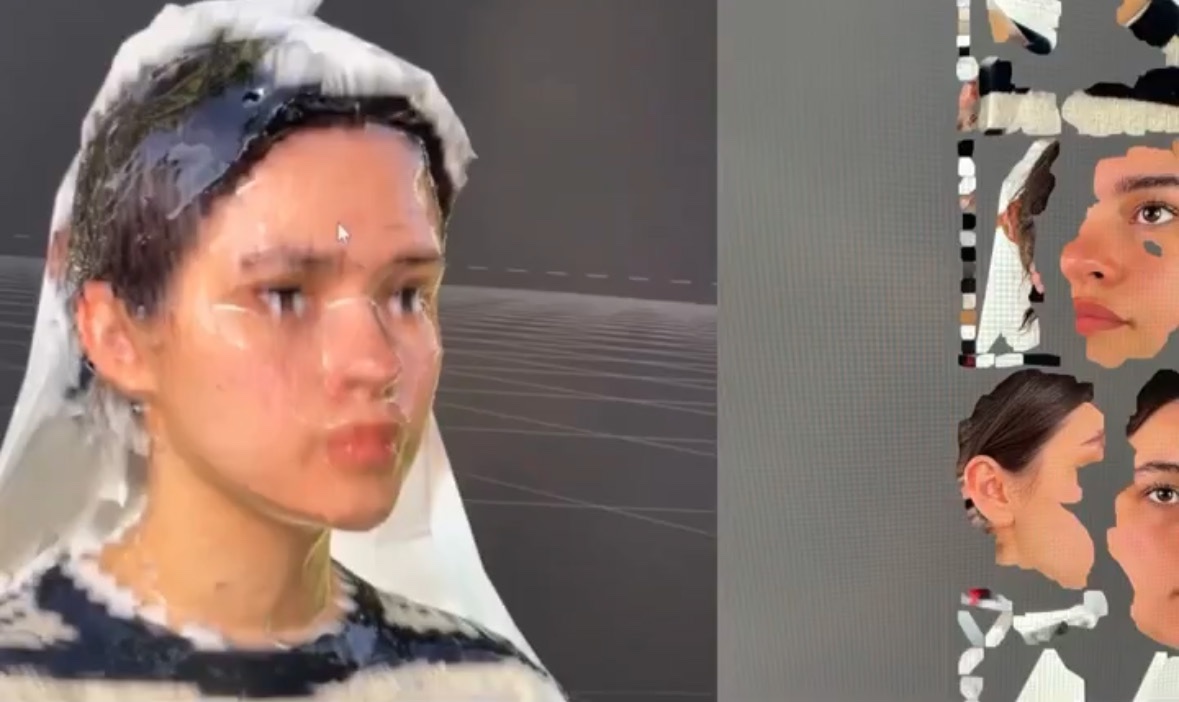
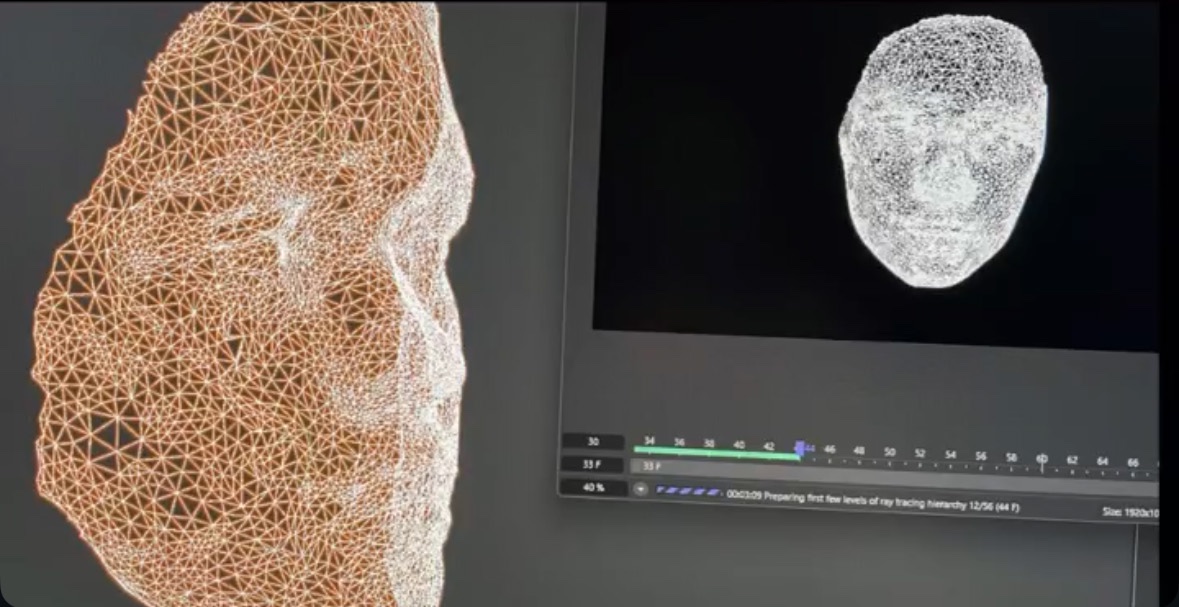
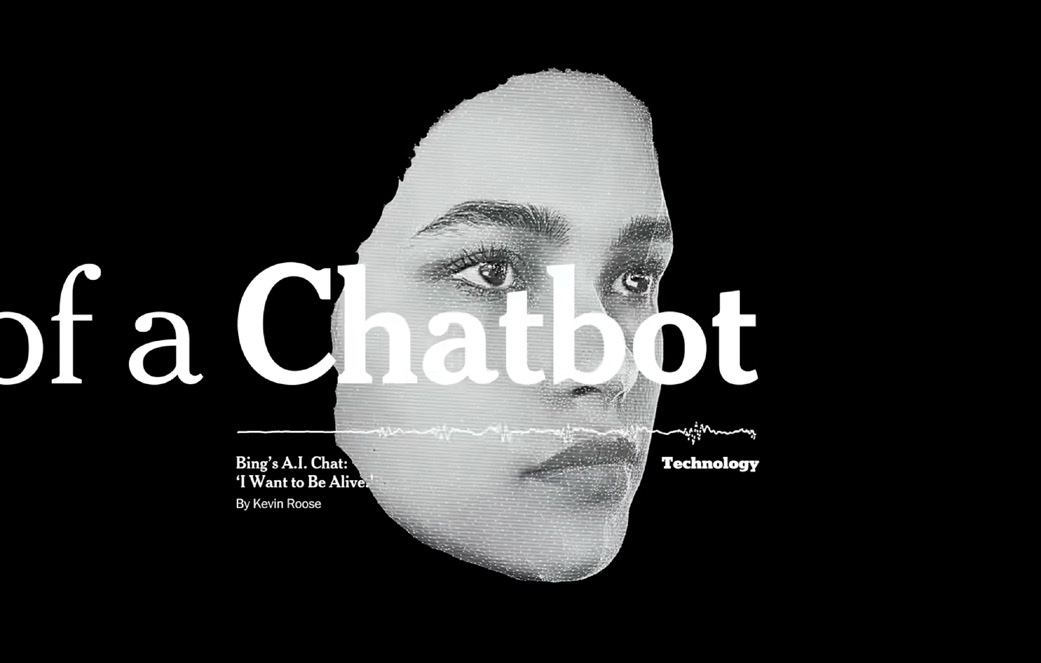
Several sequences required imagery that did not exist in the archive, making new production necessary. This included creating a three-dimensional facial model to represent an AI chatbot under tight budget and time constraints.
To address this, I helped identify and execute a low-cost scanning workflow using the LiDAR capabilities of an iPhone. I served as the scan subject and coordinated the capture process, producing a 3D facial model that could be immediately integrated into the motion pipeline. This solution enabled the motion design team I was managing to complete the animation without the cost or setup of a traditional facial scanning process.
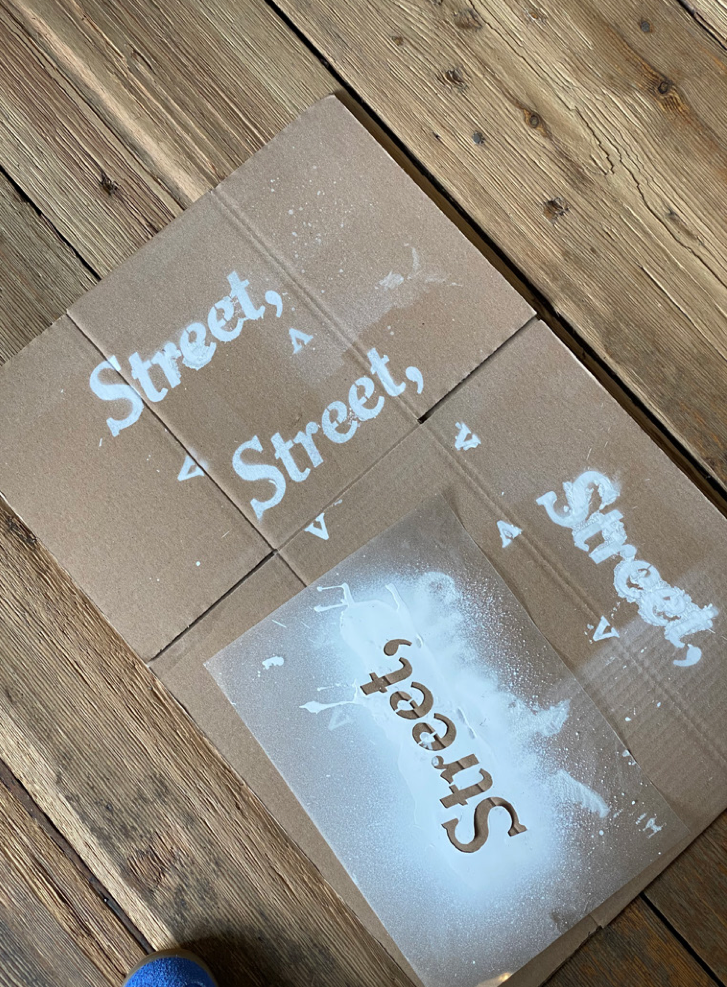
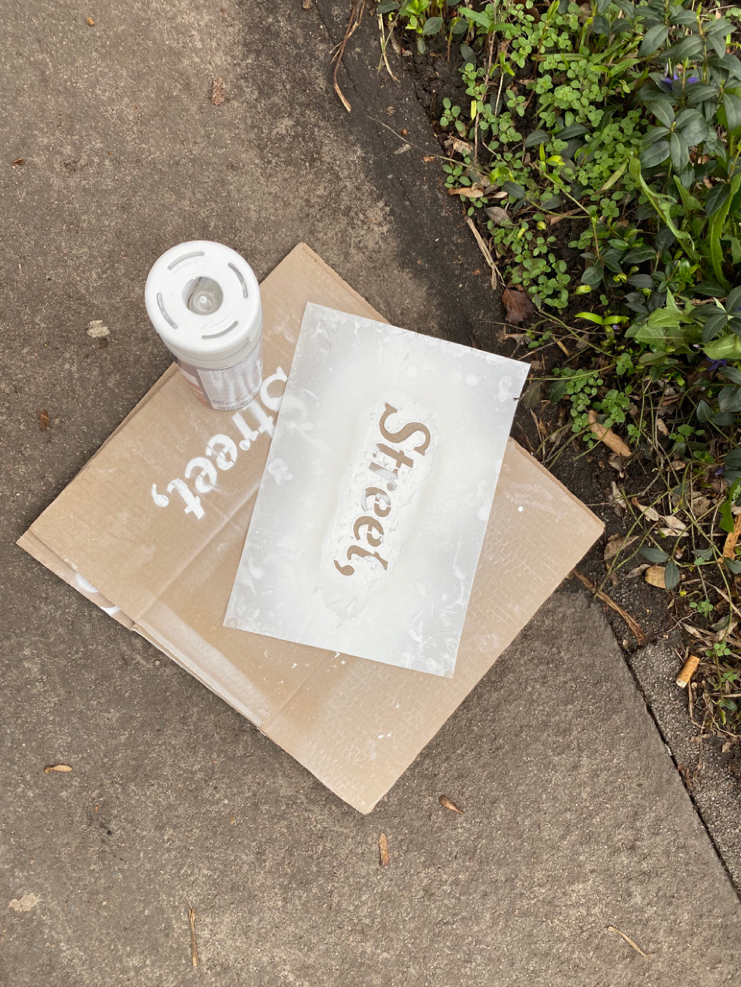
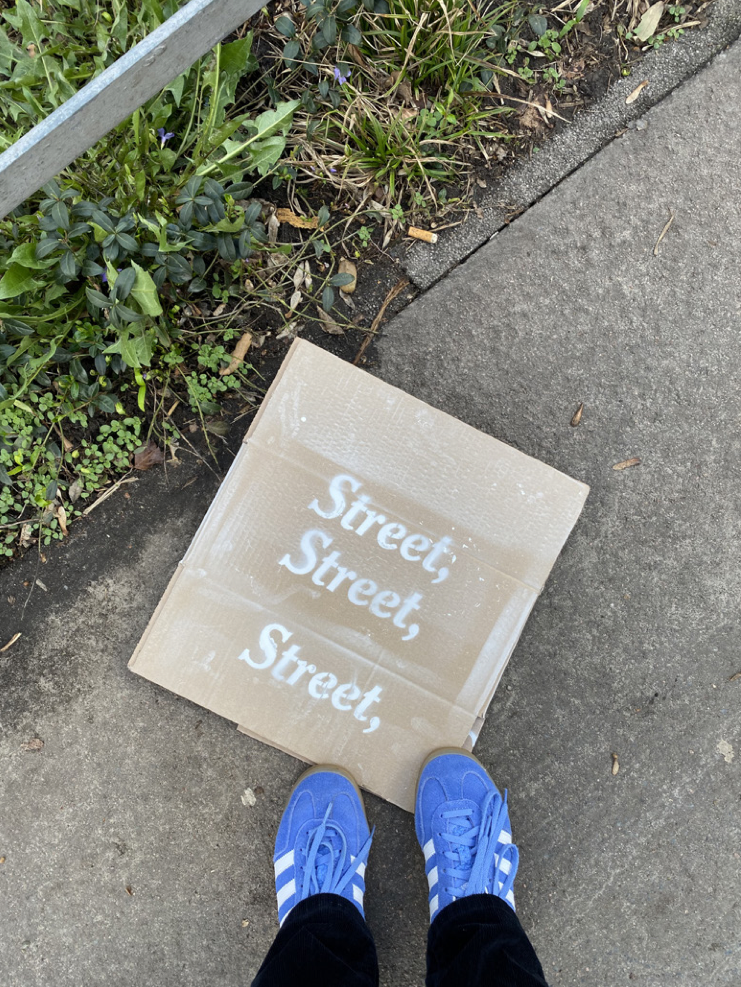
Some concepts required practical, low-tech production methods. For this sequence, we created a physical stencil by printing and hand-cutting typography on a plastic sheet, then used sprayable chalk paint on location.
This approach allowed us to quickly generate specific visuals without relying on stock footage or heavy post-production. It reflects the broader production strategy of solving visual problems through direct, hands-on methods when conventional resources or materials were unavailable.